Commercial lease terms can feel like a foreign language the first time you read a proposal. Yet the details in those pages decide what you’ll really pay and how much flexibility you’ll have for years to come.
This guide explains the most common terms in plain English, so Wichita Falls business owners can compare office space with confidence.
Please note: this article is general information, not legal advice. Have a Texas real estate attorney review any lease before you sign it.
Rent Structures: Gross, Modified Gross and Triple Net
The first thing to understand is what your rent actually covers. Most office leases fall into one of three structures.
- Gross (full-service): one rent payment covers most building operating costs, such as property taxes, insurance and maintenance. It’s the simplest to budget.
- Modified gross: costs are split. For example, the landlord covers taxes and insurance while you pay your own utilities.
- Triple net (NNN): you pay base rent plus your share of property taxes, insurance and maintenance. The base rate looks lower, but monthly costs can change.
As a result, the lowest quoted rate isn’t always the lowest cost. Always compare the total monthly amount.
Rentable vs. Usable Square Feet
Usable square footage is the space inside your suite. Rentable square footage adds your share of common areas, such as the lobby, corridors and restrooms. The difference is often called the load factor. Ask which number a quote is based on, especially when comparing buildings.
CAM Charges and Operating Expenses
Common area maintenance (CAM) charges cover upkeep of shared spaces like parking lots, landscaping and lobbies. In some leases, these are billed on top of rent and reconciled each year. If a lease includes CAM charges, ask what they cover, how they’re calculated and whether increases are capped.
Tenant Improvements and Build-Out
Tenant improvements, or build-out, are changes made to a suite for a new tenant, such as new walls, flooring or a reception area. Clarify who designs the work, who pays for it, how long it will take and who owns the improvements when the lease ends.

Lease Term, Escalations and Renewal Options
The lease term is how long you’re committed. Longer terms can bring better rates, while shorter terms keep you flexible. Next, look for an escalation clause, which sets how rent increases each year. Finally, a renewal option gives you the right to stay at the end of the term, often at a pre-agreed rate.
Use, Access and Building Services
The use clause defines what business you can run in the space, so make sure it covers your plans. In addition, confirm building hours, after-hours HVAC charges and whether services like janitorial and parking are included or billed separately.
Assignment, Subletting and Guarantees
Assignment and subletting clauses control whether you can transfer the lease if your business moves or is sold. Many landlords also ask for a security deposit or a personal guarantee, particularly from newer businesses. Understand these obligations before you sign.
Questions to Ask Before You Sign
- What is my total monthly cost, including every extra charge?
- Is the rate based on rentable or usable square feet?
- How much can rent increase each year?
- Who pays for build-out, and when will it be finished?
- Are parking, janitorial service and after-hours HVAC included?
- What happens if I need more space, or less, before the term ends?
For a broader checklist, see how to choose office space in Wichita Falls.
Talk Through Commercial Lease Terms with Our Leasing Office
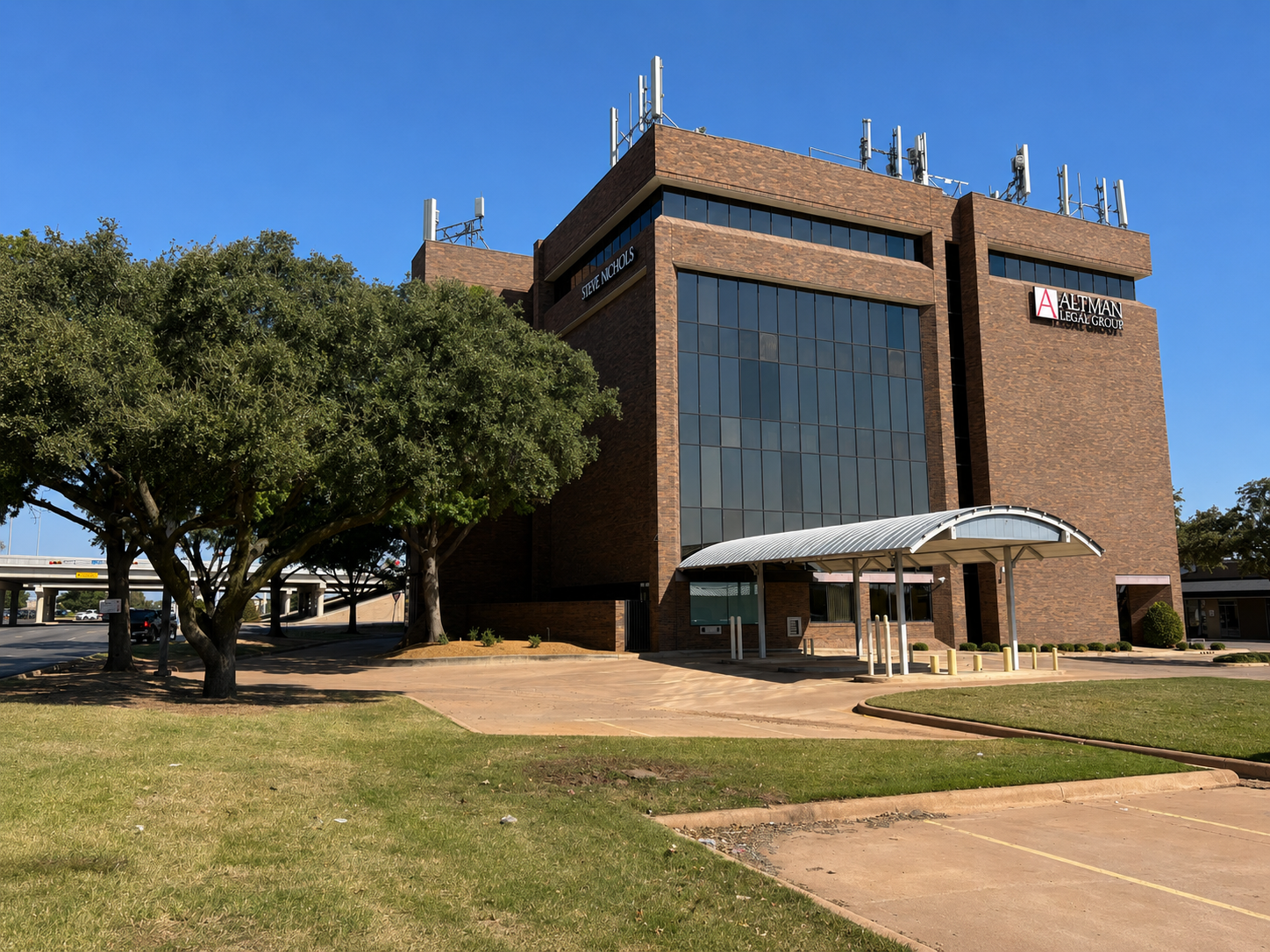
At Kemp & Kell Tower, several services that cost extra elsewhere are part of the building: janitorial service, complimentary covered parking, and 24-hour access with tenant HVAC control. Our leasing office is happy to walk you through any proposal line by line.
All suites are currently leased, but space does open up. Contact us or call 940-234-3318, and you’ll be among the first to know when a suite becomes available.